



How to Start a WiFi Hotspot Business in Uganda: Complete Beginner Guide
Learn how to start a WiFi hotspot business in Uganda, including internet setup, MikroTik router, voucher pricing, customer management, and profit tips.

How to Start a WiFi Hotspot Business in Uganda: Complete Beginner Guide
Internet has become one of the most important needs in Uganda today. People use the internet for WhatsApp, TikTok, YouTube, Facebook, online jobs, school research, mobile banking, business communication, and entertainment. Because of this, starting a WiFi hotspot business can be a very good business idea, especially in busy communities, trading centers, hostels, apartments, villages, shops, and areas where people need affordable internet.
A WiFi hotspot business allows you to buy internet from an ISP and resell it to customers using vouchers. Customers connect to your WiFi, open a login page, enter their voucher code, and start browsing. You can sell vouchers for 2 hours, 24 hours, weekly access, monthly access, or any package you want.
In this guide, we shall explain everything from the beginning to the end so that you understand how the WiFi hotspot business works and how you can start your own.
1. What Is a WiFi Hotspot Business?
A WiFi hotspot business is a business where you provide internet access to customers through WiFi and charge them for using it.
Instead of every customer buying expensive mobile data, they can connect to your WiFi and buy a cheaper internet package. For example, a customer can pay UGX 500 for 2 hours, UGX 1,000 for 24 hours, UGX 6,000 for a week, or UGX 25,000 for a month.
The business owner pays for internet from an ISP, then shares that internet with many customers using routers, access points, and a hotspot billing system.
This business is good because many people want affordable internet, especially in areas where mobile data is expensive or weak.
2. How the WiFi Hotspot Business Works
The business is simple when you understand the flow.
First, you get internet from an ISP. This can be fiber, wireless internet, or any reliable internet connection. The ISP gives you internet at your home, shop, or business location.
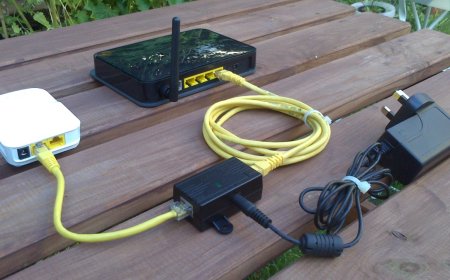
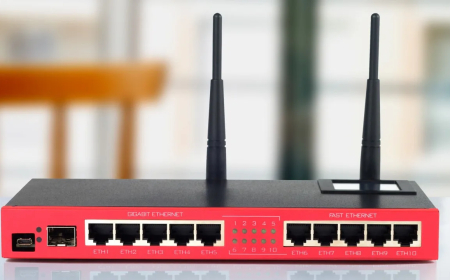
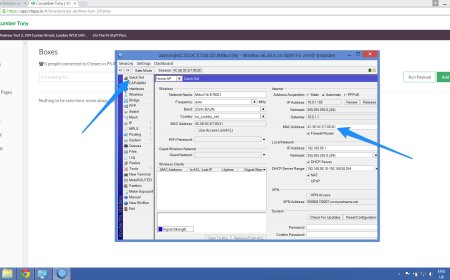
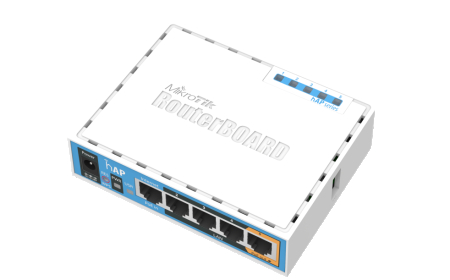
Second, you connect that internet to a router, usually a MikroTik router. The MikroTik router helps you control users, create vouchers, limit speed, manage time, and prevent people from using the internet without paying.
Third, you connect access points. Access points help spread WiFi signal to a wider area. If your customers are near your shop, one access point may be enough. If you want to cover a bigger village, apartments, or many houses, you may need outdoor access points.
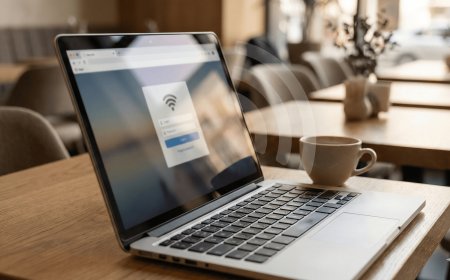
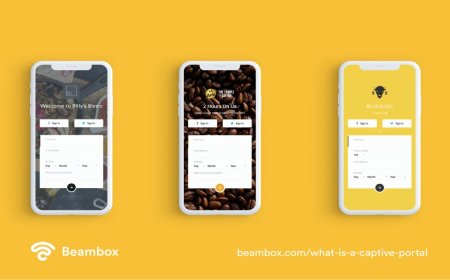
Fourth, customers connect to your WiFi name. When they connect, they are taken to a login page. This page can show your business name, packages, payment instructions, and voucher login box.
Finally, the customer enters a voucher code and starts using the internet.
3. Why Start a WiFi Hotspot Business in Uganda?
A WiFi hotspot business can work well in Uganda because many people need internet every day. Mobile data is sometimes expensive, and many users prefer WiFi because it can be cheaper and more stable.
This business can work in places like:
- Villages
- Trading centers
- Hostels
- Rental houses
- Apartments
- Shops
- Schools
- Salons
- Gaming centers
- Restaurants
- Busy roadside areas
- Student communities
If your area has many smartphone users, students, business people, or young people who use social media, the business can grow faster.
Another advantage is that the business can run daily. People need internet in the morning, afternoon, evening, and night. This means you can keep selling vouchers every day.
4. What You Need to Start
To start a WiFi hotspot business, you need a few important things.
1. Internet Connection
You need a stable internet connection from a good ISP. The quality of your internet will affect your customers. If your internet is slow, customers will complain. If it is stable, customers will keep coming back.
You can start with 20 Mbps, 50 Mbps, 100 Mbps, or more depending on the number of users you expect.
For a small hotspot, you can start with around 20 Mbps to 50 Mbps. For a larger hotspot with many users, you may need 100 Mbps or 200 Mbps.
2. MikroTik Router
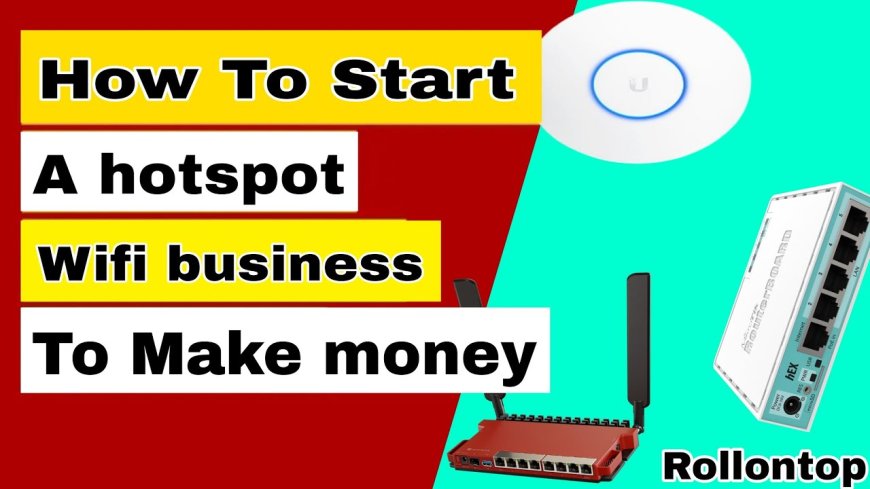
A MikroTik router is very important in a hotspot business. It helps you manage users, create vouchers, control speed, set time limits, and monitor usage.
Common MikroTik routers used for hotspot businesses include:
- MikroTik hEX
- MikroTik RB750Gr3
- MikroTik RB3011
- MikroTik CCR series for bigger networks
For a beginner, you can start with a small MikroTik router. But if you plan to serve many users, choose a stronger router.
3. Access Points
Access points help customers receive WiFi signal. You can use indoor access points for small areas and outdoor access points for wide coverage.
Good access points help reduce complaints about weak signal.
You can use brands like:
- TP-Link
- Ruijie
- H3C
- MikroTik
- Ubiquiti
For outdoor coverage, choose outdoor access points with strong range and weather protection.
4. Hotspot Login Page
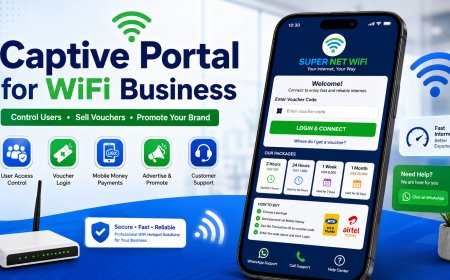
The hotspot login page is where customers enter their voucher codes. This page should be simple, attractive, and easy to understand.
A good login page should show:
- WiFi business name
- Available packages
- Payment instructions
- Login box
- Customer support number
- Clear button to login
- Help instructions for users
This page is important because it is the first thing customers see after connecting to your WiFi.
5. Voucher System
The voucher system is used to generate codes for customers. Each customer buys a code and uses it to login.
You can generate vouchers manually from MikroTik or use a system like Mikhmon or your own billing system.
Voucher codes can be printed, sent by WhatsApp, or given automatically after mobile money payment.
6. Payment Method
You need a simple way for customers to pay.
Common payment options include:
- Cash
- Mobile Money
- Agent sales
- WhatsApp order
- Flutterwave payment
- M-Pesa payment
- Airtel Money
For a professional setup, you can allow customers to pay online and use their transaction ID as the voucher code.
5. Choosing the Right Location
Location is very important in a WiFi hotspot business. Even if you have good internet, the business may fail if there are no customers around.
A good location should have many people who need internet.
Good locations include student areas, rentals, apartments, shops, markets, trading centers, and villages where many people use smartphones.
Before starting, first study the area. Ask yourself:
Are there many people around?
Do people complain about expensive mobile data?
Is mobile network weak in the area?
Are there students or young people nearby?
Can people afford your packages?
Is there competition nearby?
If the answer is yes to most of these questions, then the area can be good for a WiFi hotspot business.
6. Choosing Your WiFi Packages
Your packages should be simple and affordable. Customers should understand them quickly.
Here is an example of good beginner packages:
| Package | Price |
|---|---|
| 2 Hours | UGX 500 |
| 24 Hours | UGX 1,000 |
| 1 Week | UGX 6,000 |
| 1 Month | UGX 25,000 |
You can also add special packages like:
| Package | Price |
|---|---|
| Night Package | UGX 500 |
| 3 Days | UGX 3,500 |
| Family Pack | UGX 10,000 |
| Group Pack | UGX 15,000 |
When creating packages, make sure the price is fair for customers and also profitable for you.
Do not make packages too cheap if your internet cost is high. Also, do not make them too expensive if your customers are price-sensitive.
7. Setting Speed Limits
Speed control is very important. If you allow every user to use unlimited speed, a few customers can consume all the bandwidth and make the internet slow for everyone.
For example, one person watching YouTube in high quality can affect many other users if there is no speed limit.
You can set speed limits depending on the package.
Example:
| Package | Speed |
|---|---|
| 2 Hours | 5 Mbps |
| 24 Hours | 7 Mbps |
| 1 Week | 10 Mbps |
| 1 Month | 15 Mbps |
For better packages, you can give higher speeds.
Speed limits help you control the network and give all customers a fair experience.
8. How to Sell Vouchers
There are many ways to sell WiFi vouchers.
You can sell them directly from your shop or home. Customers come, pay, and receive a voucher code.
You can also use agents. Agents sell vouchers in the community and earn commission. This helps you reach more customers without being available all the time.
Another option is selling through WhatsApp. Customers send mobile money, then you send them the voucher code.
You can also build an automatic system where customers pay online and receive access immediately.
For a growing hotspot business, using agents and mobile money is very helpful because customers can buy internet even when you are not physically near them.
9. Customer Management
Good customer management can help your WiFi business grow faster. Customers will always need support. Some may fail to login, some may forget their voucher code, and some may complain about speed.
You should provide a support phone number on the login page.
You can also create a WhatsApp group or WhatsApp community where customers can ask for help, receive updates, and see new offers.
Common customer issues include:
-
Login page not opening
-
Wrong voucher code
-
Expired voucher
-
Weak WiFi signal
-
Slow internet
-
Phone connected but no internet
-
Customer forgot transaction ID
When customers get quick support, they trust your service more.
10. Branding Your WiFi Business
Branding makes your business look professional. Do not just create a random WiFi name. Use a strong and memorable name.
For example:
SUPER NET WiFi
A good brand should have:
-
Clear WiFi name
-
Logo
-
Colors
-
Posters
-
WhatsApp contact
-
Professional login page
-
Package banners
-
Simple customer instructions
Branding helps people remember your service and recommend it to others.
You can also create posters and place them in shops, rentals, and busy places.
Example poster message:
Affordable WiFi Available Here
Connect to SUPER NET WiFi
2 Hours: UGX 500
24 Hours: UGX 1,000
Weekly: UGX 6,000
Monthly: UGX 25,000
Call or WhatsApp: 07XXXXXXXX
11. Common Mistakes to Avoid
Many people start WiFi hotspot businesses but fail because of simple mistakes.
One mistake is using weak equipment. If your router or access point is weak, customers will complain.
Another mistake is not setting speed limits. Without speed control, a few users can make the internet slow for everyone.
Another mistake is poor customer support. If customers fail to login and no one helps them, they will stop buying.
Another mistake is choosing a bad location. If there are few users around, the business will grow slowly.
Another mistake is selling packages that are too cheap. Cheap packages can attract users, but if they do not cover your internet cost, you may make losses.
Another mistake is ignoring security. You should protect your MikroTik router with a strong username and password. Do not leave default login details.
12. How Much Money Can You Make?
The profit depends on your location, internet cost, number of customers, and pricing.
Let us use a simple example.
If you get 50 customers per day and each customer pays an average of UGX 1,000, that is:
50 customers x UGX 1,000 = UGX 50,000 per day
In 30 days:
UGX 50,000 x 30 = UGX 1,500,000 per month
From this money, you remove internet cost, electricity, equipment maintenance, agent commission, and other expenses.
If your costs are controlled well, the WiFi hotspot business can become profitable.
Another example:
If you get 100 customers per day and each pays an average of UGX 1,000:
100 customers x UGX 1,000 = UGX 100,000 per day
In 30 days:
UGX 100,000 x 30 = UGX 3,000,000 per month
This shows that the business can grow well if your location is good and your service is reliable.
13. How to Grow the Business
After starting, do not stop at one location. First make sure your first location is stable, then expand slowly.
You can grow by adding more access points, adding agents, improving your login page, creating better packages, and promoting your WiFi in the community.
You can also add online payments so customers can buy without calling you.
You can create special offers such as:
-
Weekend offer
-
Night bundle
-
Student package
-
Family package
-
Monthly unlimited package
-
Refer-a-friend bonus
You can also use your hotspot login page to promote your website, business, or partner advertisements.
14. Final Advice
A WiFi hotspot business is not just about buying internet and sharing it. It requires planning, good equipment, fair pricing, customer support, and proper network management.
Start small, test your area, listen to customers, and improve step by step.
If you provide stable internet, affordable prices, and good support, customers will trust your service and keep buying from you.
The most important things to focus on are:
Reliable internet, strong WiFi coverage, clear voucher packages, good login page, speed control, and fast customer support.
With the right setup, a WiFi hotspot business can become a strong source of daily income in Uganda.
Conclusion
Starting a WiFi hotspot business in Uganda is a practical business idea for anyone who wants to earn from internet services. You need a good internet connection, MikroTik router, access points, voucher system, payment method, and a good customer support plan.
The business works best in areas where many people need affordable internet. With good planning and proper management, you can turn a small hotspot into a profitable internet business.
At Finjora, we share practical guides about WiFi business, hotspot setup, MikroTik configuration, online income, and smart business ideas to help you grow.
What's Your Reaction?
 Like
0
Like
0
 Dislike
0
Dislike
0
 Love
0
Love
0
 Funny
0
Funny
0
 Angry
0
Angry
0
 Sad
0
Sad
0
 Wow
0
Wow
0